
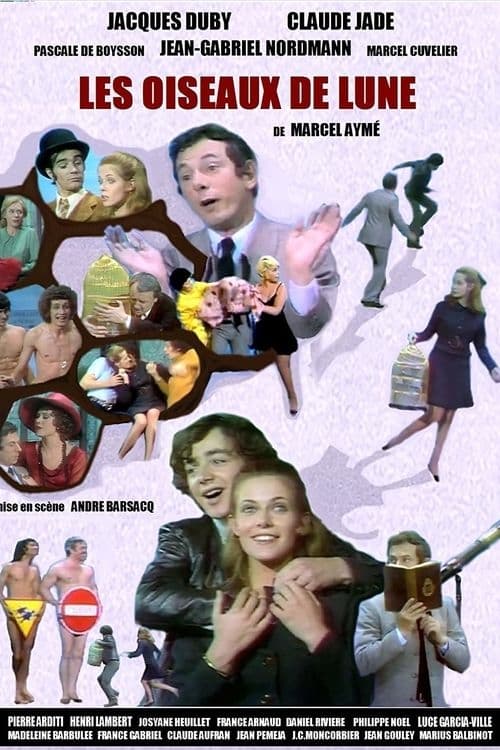
Les Oiseaux de la lune
Film · 1974
Marcel Aymé (29 March 1902 – 14 October 1967) was a French novelist and playwright, who also wrote screenplays and works for children. Marcel André Aymé was born in Joigny, in the Burgundy region of France, the youngest of six children. His father, Joseph, was a blacksmith, and his mother, Emma Monamy, died when he was two years old, after the family had moved to Tours. Marcel was sent to live with his maternal grandparents in the village of Villers-Robert, a place where he would spend the next eight years, and which would serve as the model for the fictitious village of Claquebue in what is perhaps the most well-known of his novels, La Jument verte. In 1906 Marcel entered the local primary school. Because his grandfather was a staunch anti-clerical republican, he was looked down upon by his classmates, many of whose parents held more traditional views. Accordingly, Marcel was not baptized before reaching the age of eight, nearly two years after the death of his grandfather in 1908. Orphaned once more when his grandmother died two years later, he briefly lived with other family members before moving to Dole, a small town of the Franche-Comte region, to stay with an aunt and attend the Collège de l'Arc, where he demonstrated more ability in mathematics than in literature. His years at school there were an unpleasant experience he would never look back on fondly. Despite ongoing issues with his health that had begun when he was a child, Aymé was able to perform his military service, which began in 1919, as part of an artillery unit in the occupied Rhineland. In 1923 he moved to Paris where he worked unsuccessfully at a bank, an insurance company, and as a journalist. Though he failed in his career as a reporter, his stint at the newspaper allowed him to discover his love of writing. His first published novel was Brûlebois (1926), and in 1929 his La Table aux crevés won the Prix Renaudot. After the great success of his novel La Jument verte (1933), translated into English as The Green Mare, he concentrated mostly on writing and published children's stories, novels, and collections of stories. In 1935 he also started writing movie scripts. In theater, Marcel Aymé found success with his plays Lucienne et le boucher, Clérambard (1949), a farce, and Tête des autres (1952), which criticized the death penalty. He died in 1967 and was buried in the Cimetière Saint-Vincent in the Montmartre Quarter of Paris. One of Aymé's most famous short stories is Le passe-muraille or "The Walker-Through-Walls". At the age of 42, Dutilleul suddenly discovers that he has "the remarkable gift of being able to pass through walls with perfect ease". What begins as a novelty that gives him pleasure ends up pushing Dutilleul toward ever more sinister pursuits. Visitors to Paris can see a monument in his honor at Place Marcel-Aymé, in the Montmartre Quarter. The statue is based upon his short story "Le passe-muraille" ("The Walker through Walls"). Source: Article "Marcel Aymé" from Wikipedia in English, licensed under CC-BY-SA 3.0.
Film · 1974
Immagine non disponibile
Film · 1963
Immagine non disponibile
Film · 2007

Film · 1990
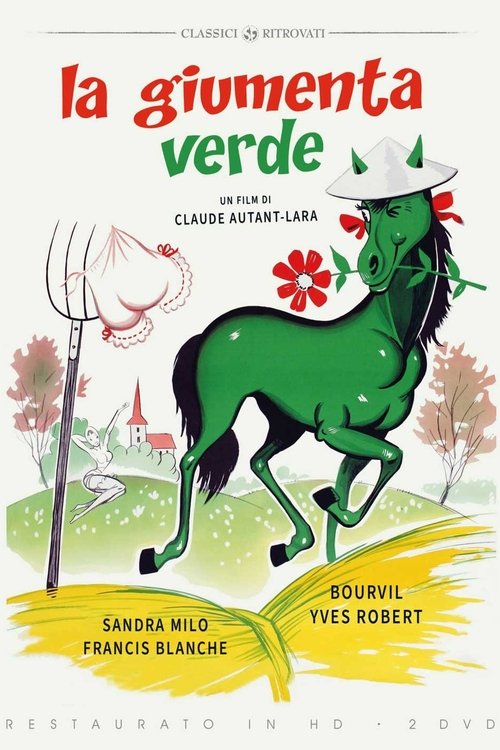
Film · 1959
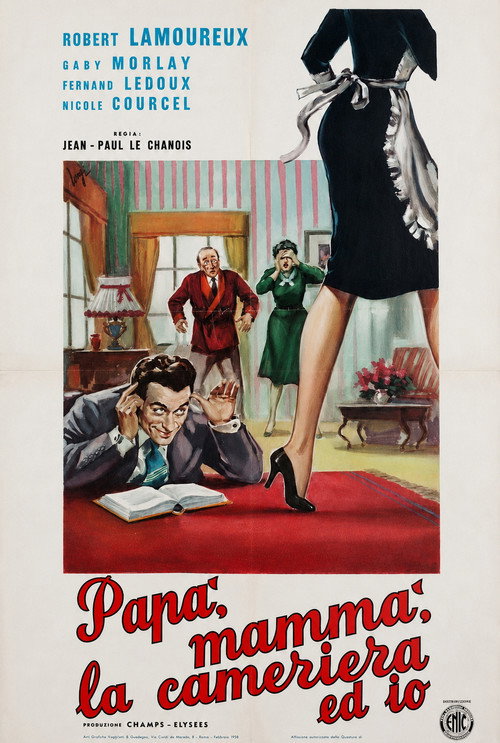
Film · 1954
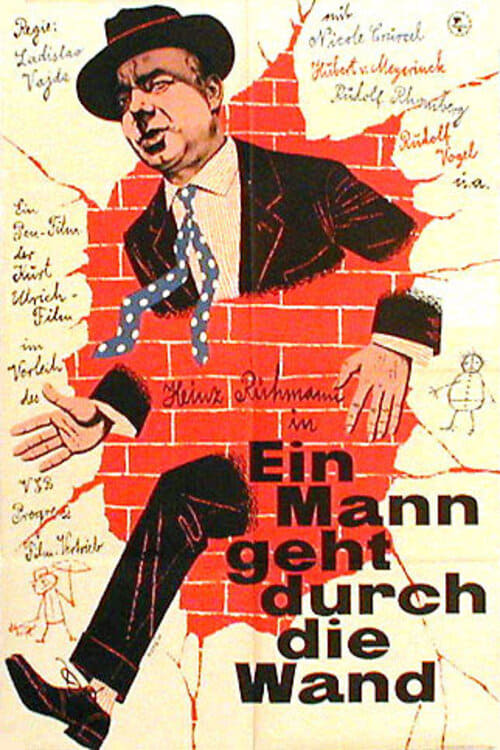
Film · 1959
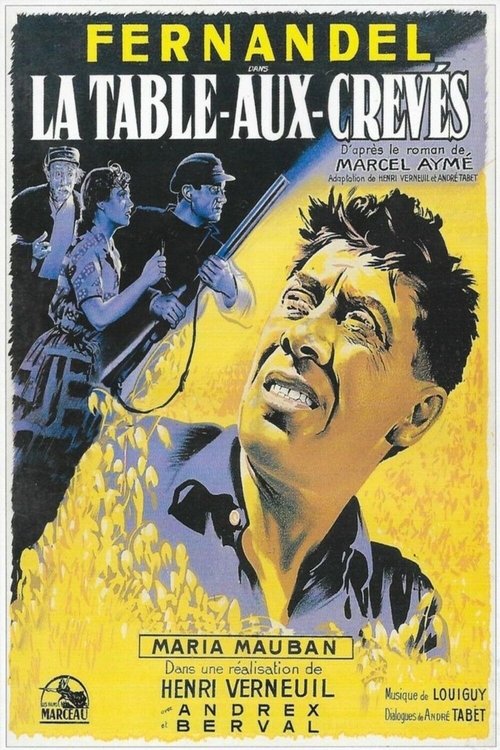
Film · 1951
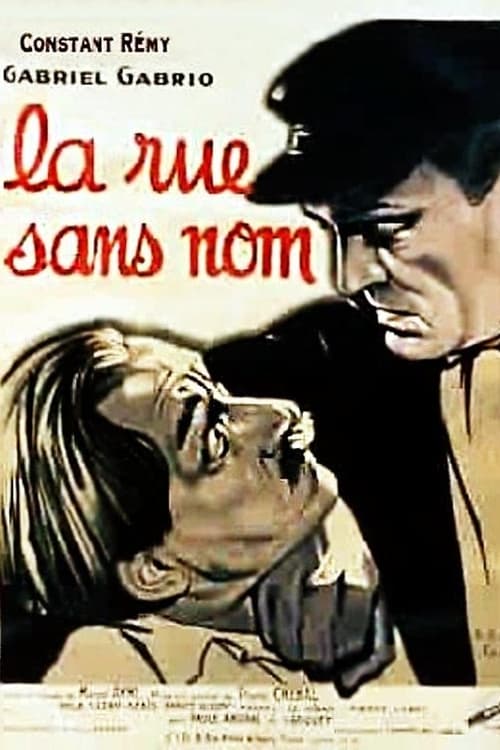
Film · 1934
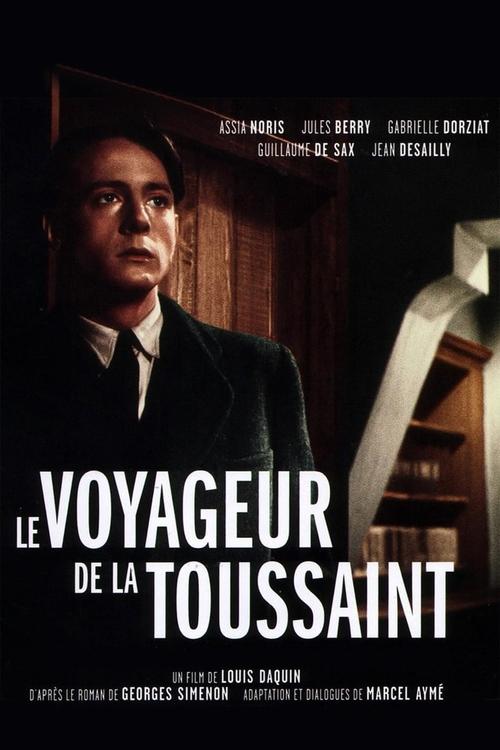
Film · 1943
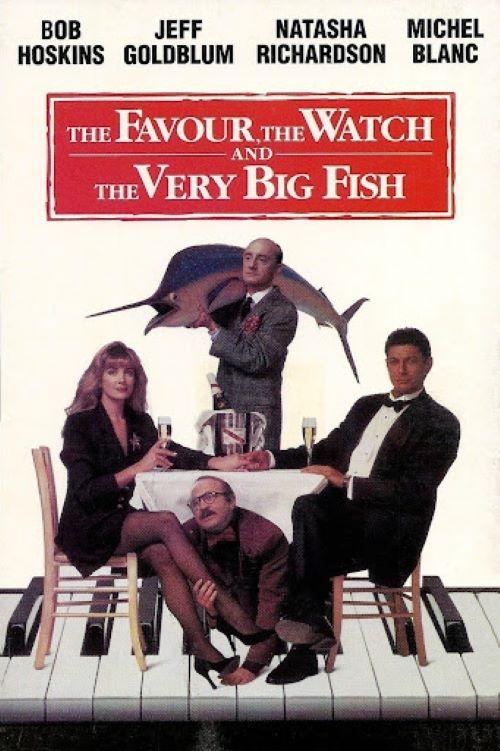
Film · 1991

Film · 1989
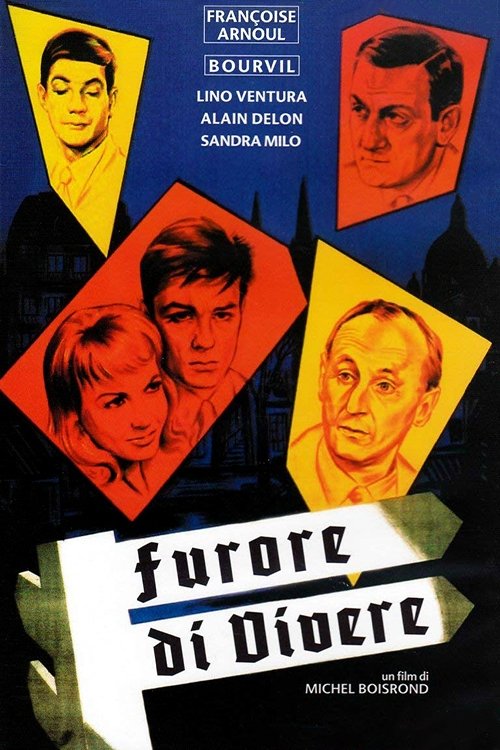
Film · 1959

Film · 1956
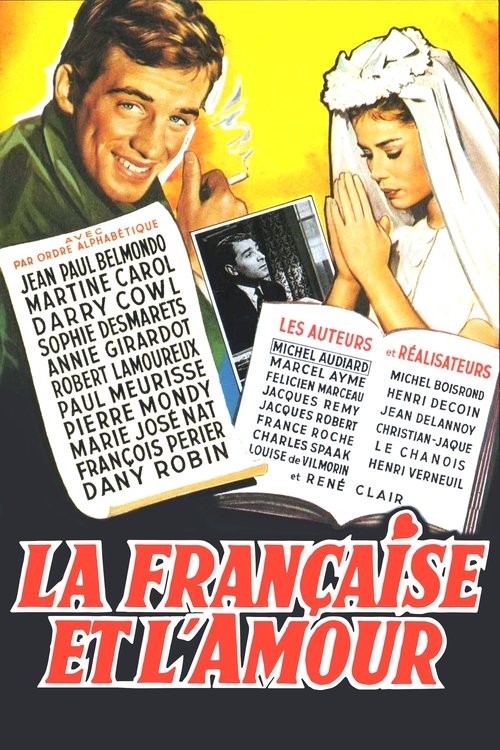
Film · 1960
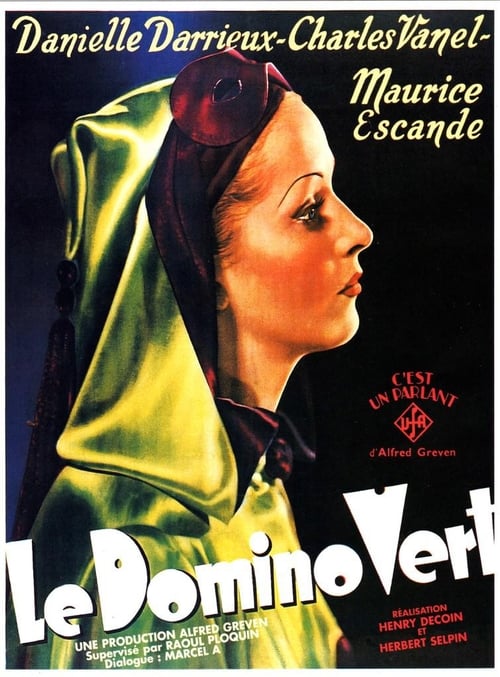
Film · 1935

Film · 1936
Film · 2021
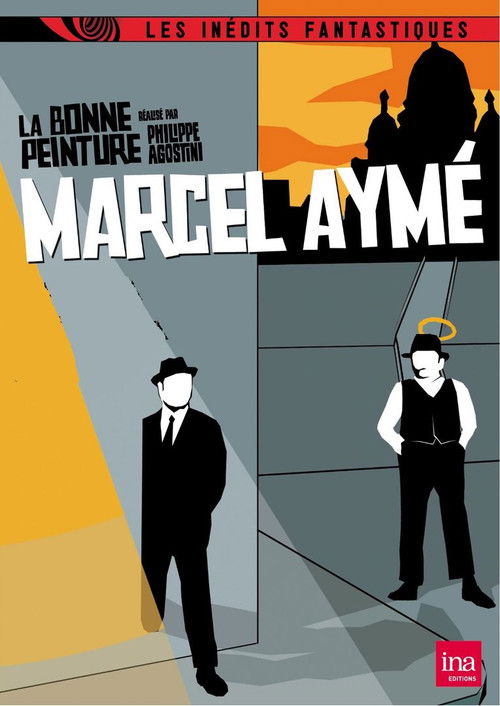
Film · 1967

Film · 2007
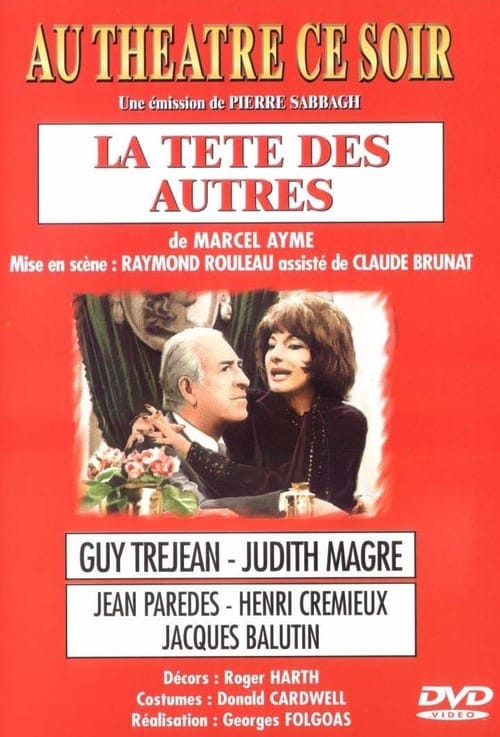
Film · 1973
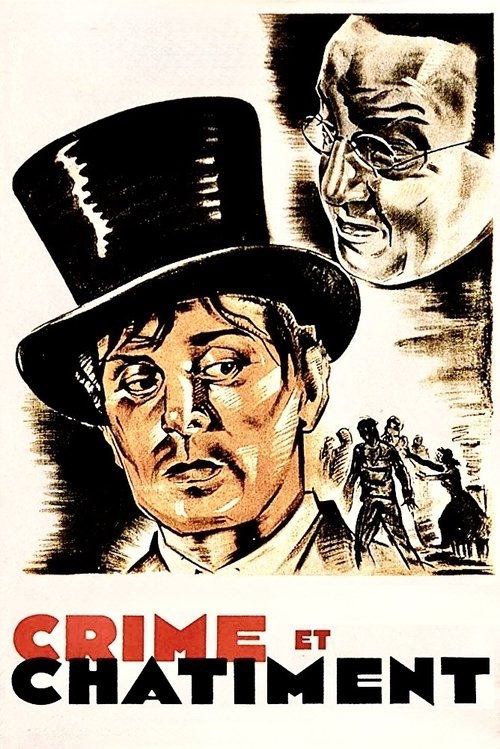
Film · 1935
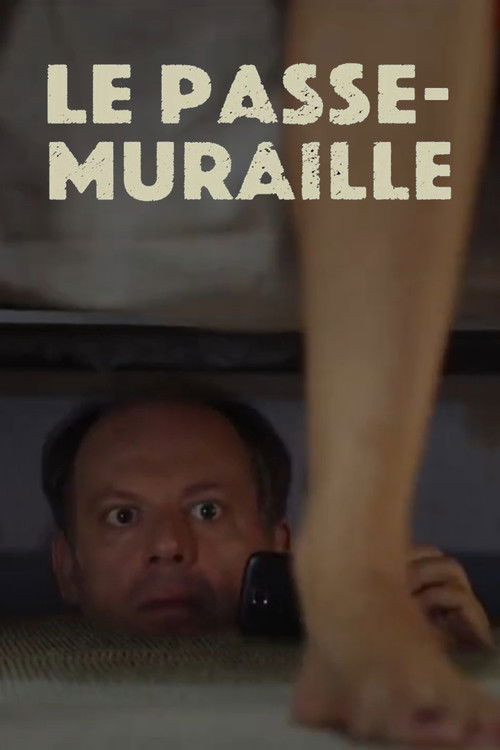
Film · 2016
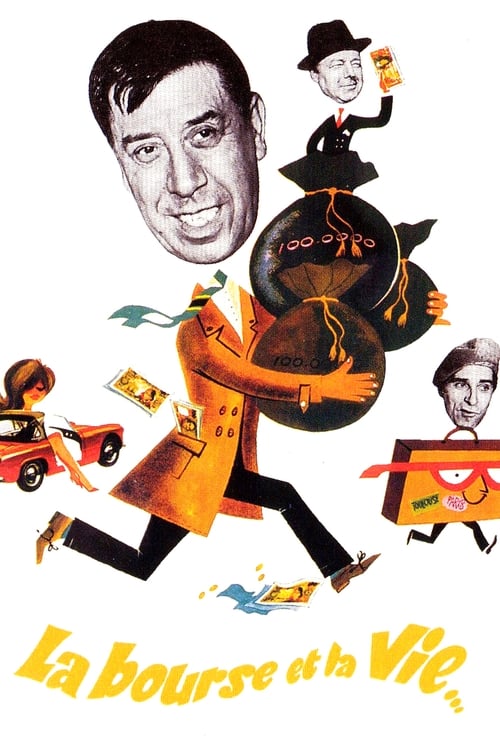
Film · 1966
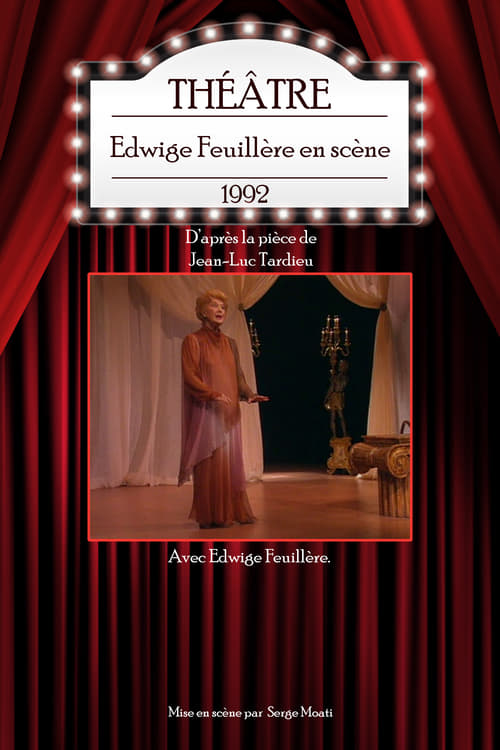
Film · 1992
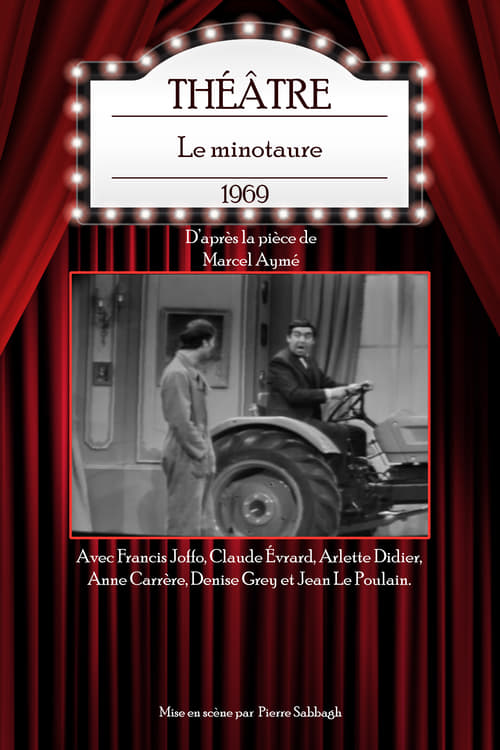
Film · 1969
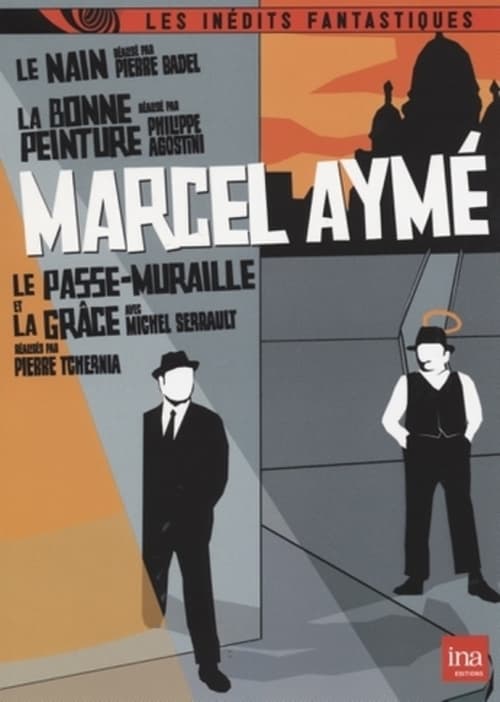
Film · 1977

Film · 2014
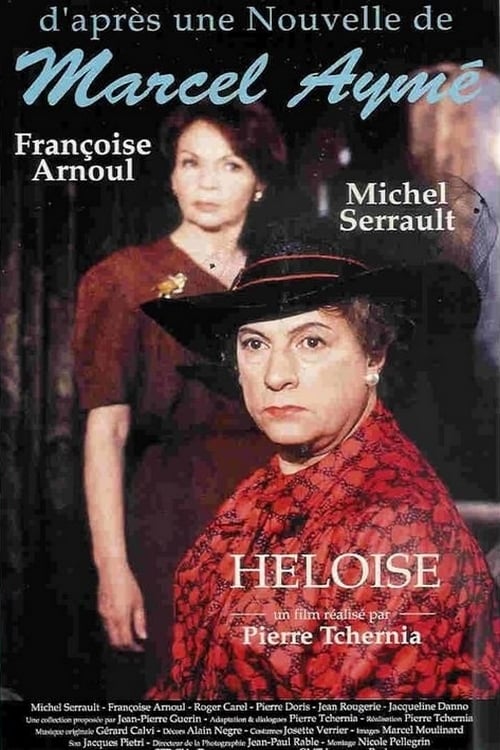
Film · 1991
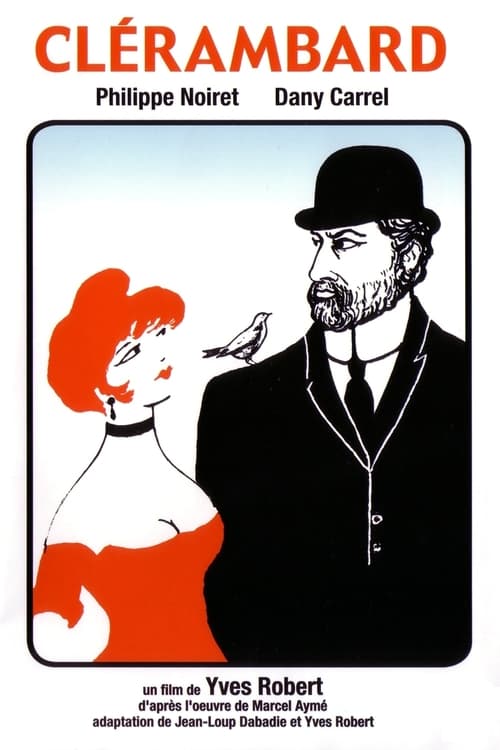
Film · 1969
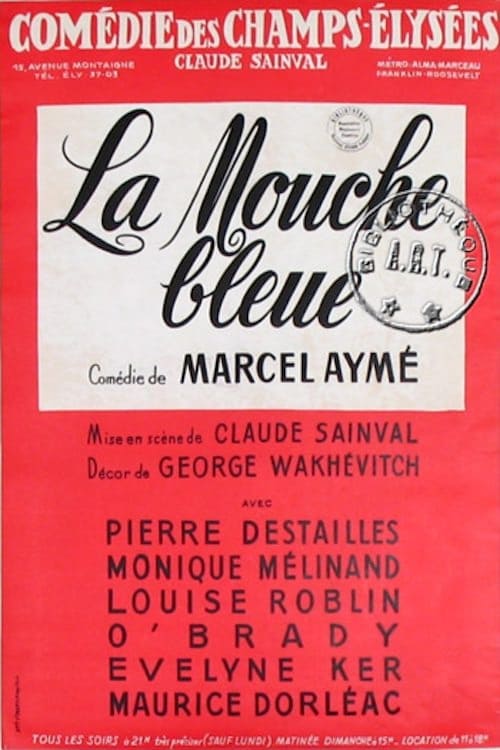
Film · 1974
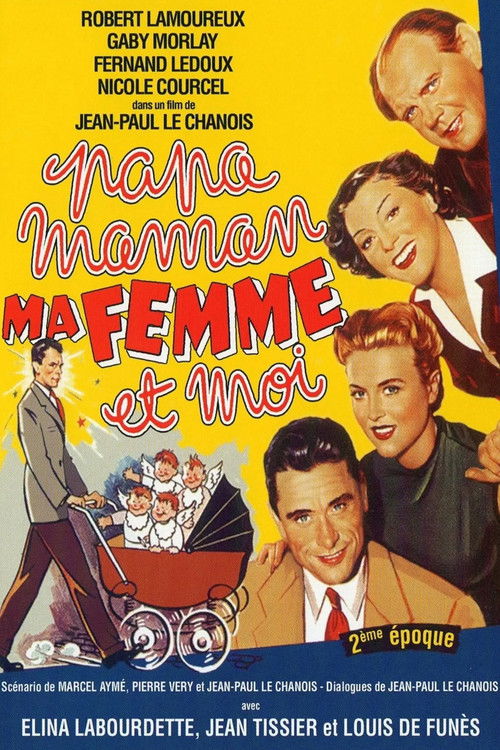
Film · 1955
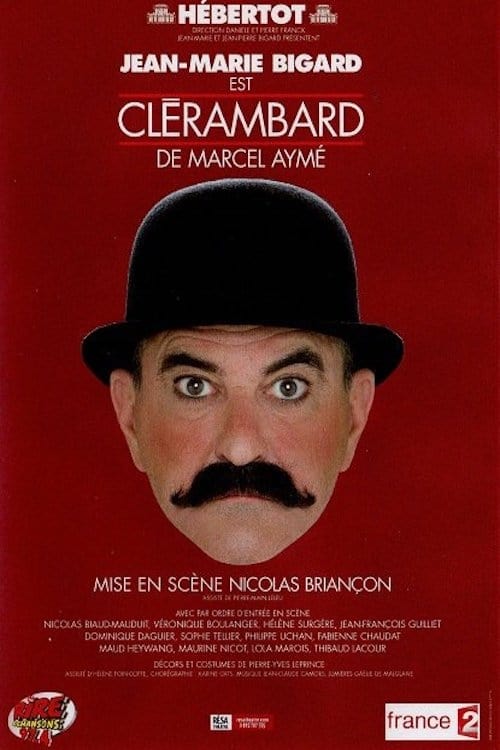
Film · 2010
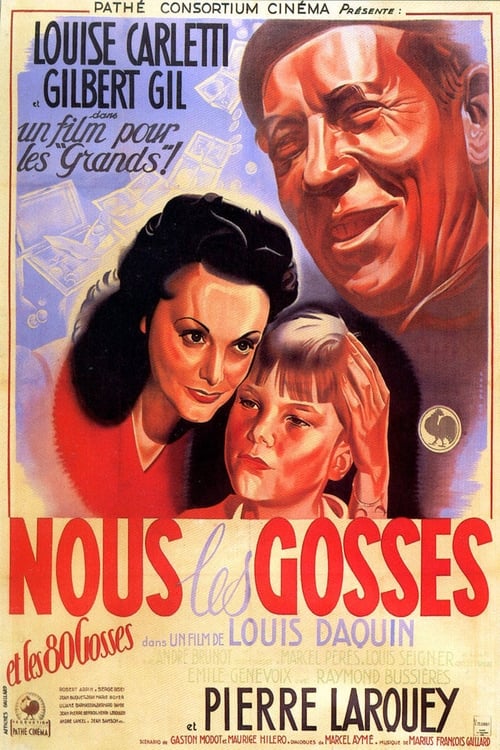
Film · 1941
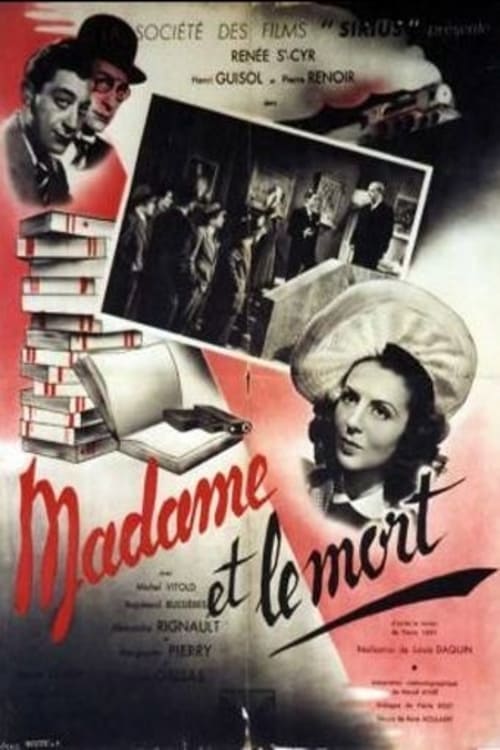
Film · 1943
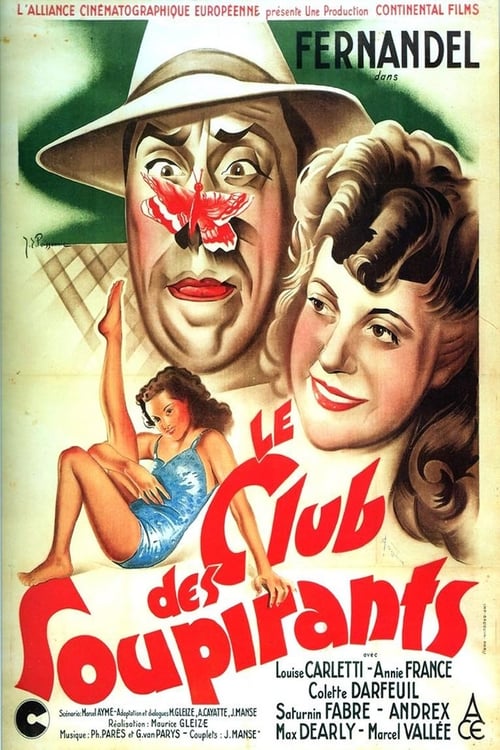
Film · 1941

Film · 1990
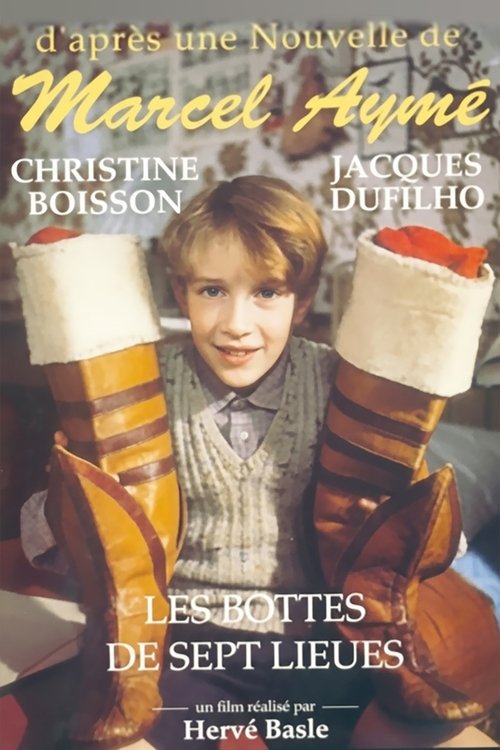
Film · 1990
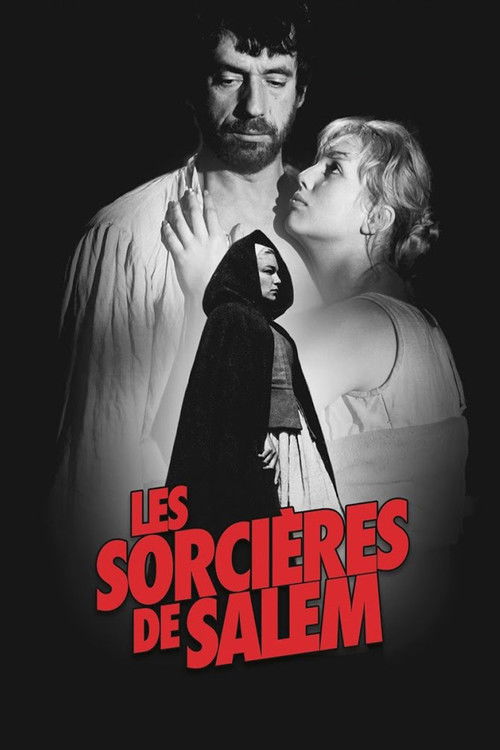
Film · 1957
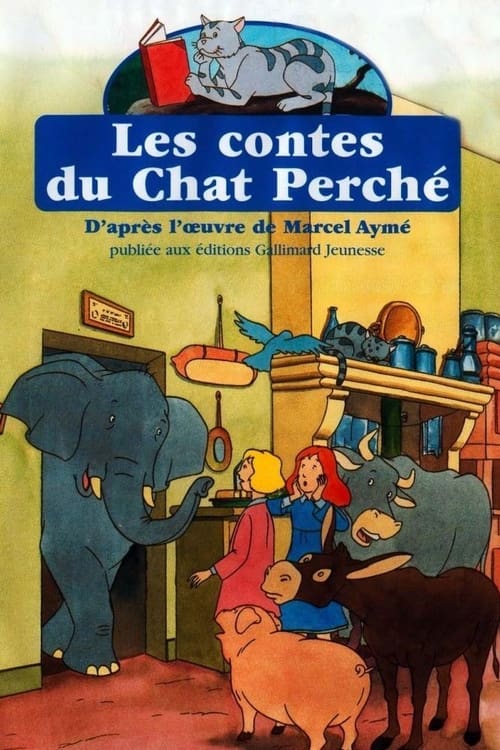
Serie · 1994
Immagine non disponibile
Serie · 1990