
David Ogden Stiers
Narrator
Serie · Serie in corso
This eight-part, 16½-hour television event explores New York City's rich history as the premier laboratory of modern life. A sweeping narrative covering nearly 400 years and 400 square miles, it reveals a complex and dynamic city that has played an unparalleled role in shaping the nation and reflecting its ideals.
La disponibilità non è stata verificata.
A compelling portrait of the greatest and most complex of cities
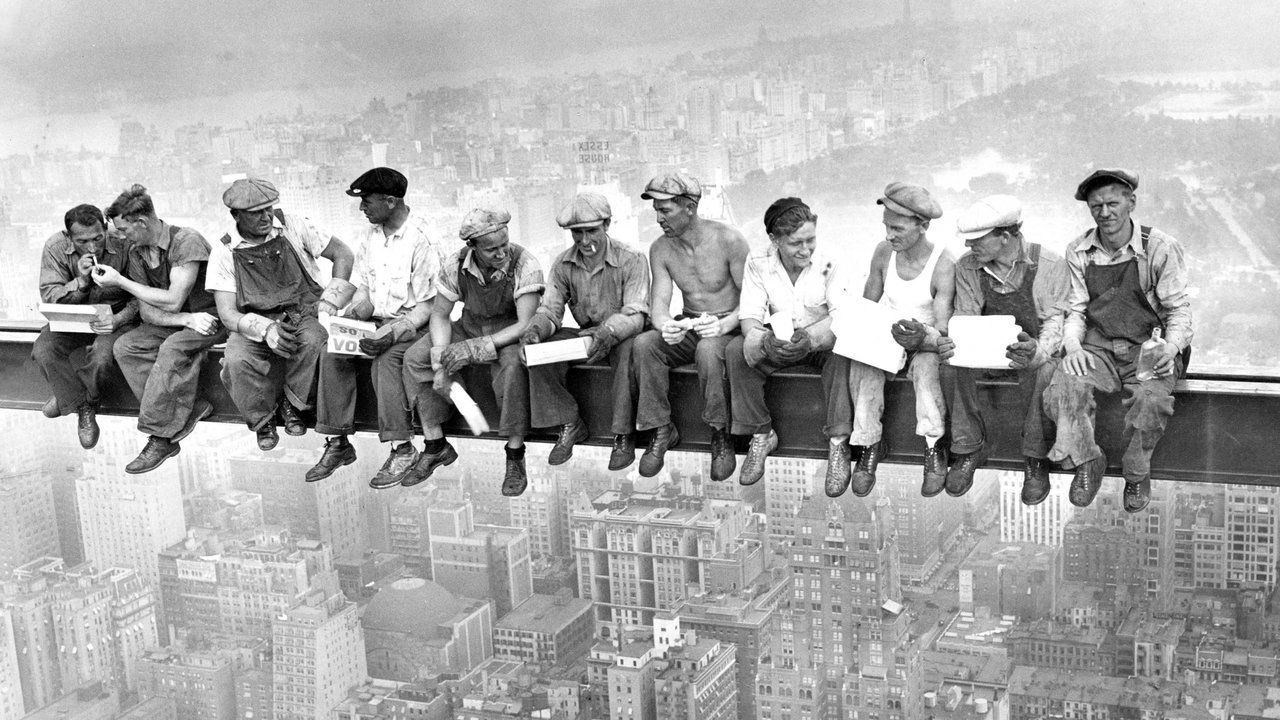
This eight-part, 16½-hour television event explores New York City's rich history as the premier laboratory of modern life. A sweeping narrative covering nearly 400 years and 400 square miles, it reveals a complex and dynamic city that has played an unparalleled role in shaping the nation and reflecting its ideals.
Caricamento episodi…
Non ci sono trailer disponibili per questo titolo.

Serie · 1988
Serie · 2020

Serie · 2020
Serie · 2005
Serie · 2018

Serie · 2023

Serie · 2025
Serie · 2023
Serie · 2006

Serie · 1986
Serie · 2010
Serie · 2020
Serie · 2021
Serie · 2004

Serie · 1983
Serie · 2026
Serie · 2011
Serie · 2021

Serie · 1978
Serie · 2019
Self - Commentator
14 nov 1999 · 120 min
The series begins by identifying the key themes that shaped New York's history: commerce and capitalism, diversity and democracy, transformation and creativity. The episode charts the development of the city founded by the Dutch as a purely commercial enterprise, first as New Amsterdam, a freewheeling enclave of trade and opportunity; then as the British New York, a colony fueled by slavery which was bestowed as a birthday gift upon the Duke of York by his brother, King Charles; soon after as a strategically pivotal locale in the American Revolution; and ultimately as the city of New York: the nation's first capital and the place destined to define urban life in America -- and American ideals.
15 nov 1999 · 120 min
Already established as America's premier port, New York City swelled into the nation's greatest industrial metropolis as a massive wave of German and Irish immigration turned the city into one of the world's most complex urban environments, bringing with it a host of new social problems. Episode Two reveals how the city's artists, innovators and leaders, from poet Walt Whitman to Frederick Law Olmsted and Calvert Vaux (the designers of Central Park) grappled with the city's growing conflicts -- which culminated in the catastrophic Civil War Draft Riots of 1863.
16 nov 1999 · 120 min
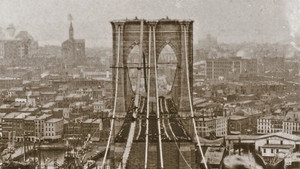
Now the spotlight shines on the growth, glamour and grief of New York during America's giddy postwar "Gilded Age." Exploring the incomparable wealth of the robber barons and the unabashed corruption of political leaders, such as Tammany Hall boss William M. Tweed, the episode examines the era when the expansion of wealth and poverty -- and the schism between them -- built to a crescendo. The program ends as the city itself dramatically expands its boundaries, annexing Brooklyn, Queens, the Bronx and Staten Island into a single massive metropolis -- Greater New York.
17 nov 1999 · 120 min
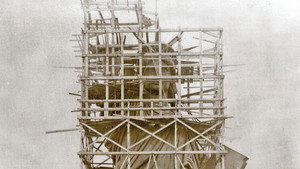
As New York spilled into the new century, the extraordinary interplay of capitalism, democracy and transformation surged to a climax. During a single generation, over 10 million immigrants arrived in New York. The city itself became an even more dramatic lure with the construction of the first subways and skyscrapers. And arising from the plight of New York's most exploited citizens came landmark legislation that would eventually transform the lives of all Americans.
18 nov 1999 · 120 min
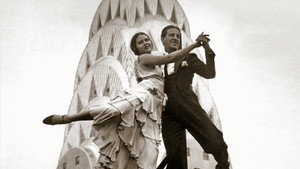
In this short but dazzling period, New York became the focal point of an extraordinary array of human and cultural energies, reaching its highest levels of urban excitement and glamour. In just over a decade, New York gave birth to its signature skyscrapers, the Chrysler and Empire State Buildings, and to artistic creations like F. Scott Fitzgerald's THE GREAT GATSBY, George Gershwin's "Rhapsody in Blue," and to the jazz compositions of Duke Ellington and Louis Armstrong. Along the way, Harlem emerged as the undisputed capital of the African- American experience and the new media industries of advertising, radio networks, public relations, and magazines found their homes in midtown Manhattan.
30 set 2001 · 120 min
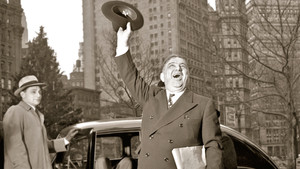
In little more than ten years, immense new forces were unleashed in New York, from the Depression itself to the New Deal, which permanently altered the city and the country. Along the way, two of the most remarkable New Yorkers of all time came to the fore: Mayor Fiorello La Guardia and master builder Robert Moses, both of whom attempted to create, in the darkest of times, a bold new city of the future. The episode examines their careers in detail, as well as the immense public works that transformed the city in the '30s. Also explored are the demise of Mayor Jimmy Walker, the coming of the New Deal, the fate of Harlem during the Depression, and the increasingly complex impact of the automobile on the city.
1 ott 2001 · 120 min
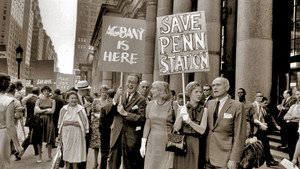
In exploring the social, economic and physical forces that swept through the city in the post-war period, Episode Seven examines the great African-American migration and Puerto Rican immigration of the '40s, '50s, and '60s; the beginnings of white flight and suburbanization; and the massive physical changes wrought by highways and urban renewal -- all of which were directed, to a surprising degree, by one man: Robert Moses. The film comes to a climax with the destruction of Penn Station, the battle over the Lower Manhattan Expressway, the social and fiscal crises of the '60s and '70s, and New York's miraculous revival in the last quarter-century.
8 set 2003 · 120 min
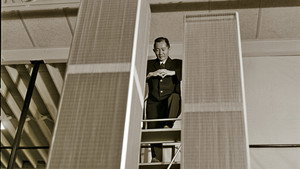
Examines the rise and fall of the World Trade Center -- from its conception in the post-World War II economic boom, through its controversial construction in the 1960s and 1970s, to its tragic demise in the fall of 2001 and extraordinary response of the city in its aftermath.
Immagine non disponibile
21 set 2026
Explores the eventful history of New York across the tumultuous first two decades of the 21st century, starting in the aftermath of 9/11, as the city rebuilt and re-conceived itself on a breathtaking scale, and rose to become the supreme exemplar of a global "superstar city" in an era one scholar has called the “new urban age.” As these transformations occurred, the city would grapple with the challenges facing cities everywhere—including issues of infrastructure, governance, immigration, social justice and equity—at the same time confronting an unprecedented series of world-historic crises—political, financial, climatic and now epidemiological – each different, each existential, each global in reach, each calling on every ounce of the extraordinary resilience and creativity and individual and collective commitment the city can muster—and each, in their way, calling into question the future of cities.
Immagine non disponibile
22 set 2026
La trama non è ancora disponibile.